

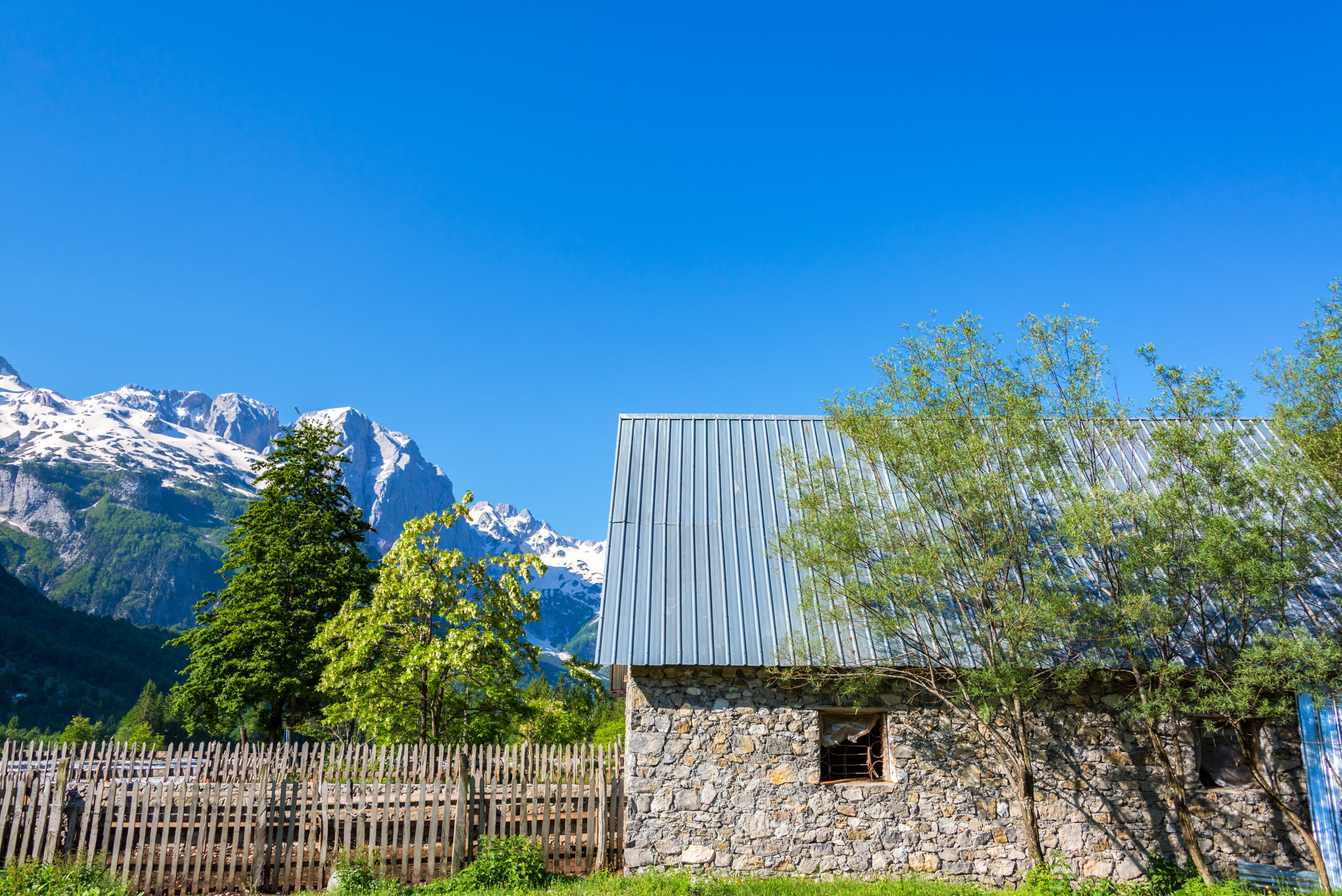
A lot of advice about driving in Albania is outdated. Ten years ago, many travelers were told that you needed a jeep for almost everything in the north. That is no longer true. Several routes that used to be rough are now paved, including the main road to Theth, the SH20 to Vermosh, and the paved final approach into Valbona’s main valley areas. In dry summer conditions, a normal car is now enough for many of Albania’s headline destinations.
That is exactly why Albania catches drivers out. The problem is no longer the famous roads everyone warns you about. The real problem is the second step: the shortcut your navigation app suggests, the rough last kilometres after the asphalt ends, the beach turnoff that looks harmless, the eastern side of a mountain pass, or a high altitude road that is fine in August and a bad idea in February. If you want the simple rule, it is this: Albania is mostly normal-car country now, but not once the road turns into stone, ruts, mud, scree, or a high mountain track with no easy recovery if something goes wrong.
First, the important correction: some roads that used to need a 4×4 no longer do
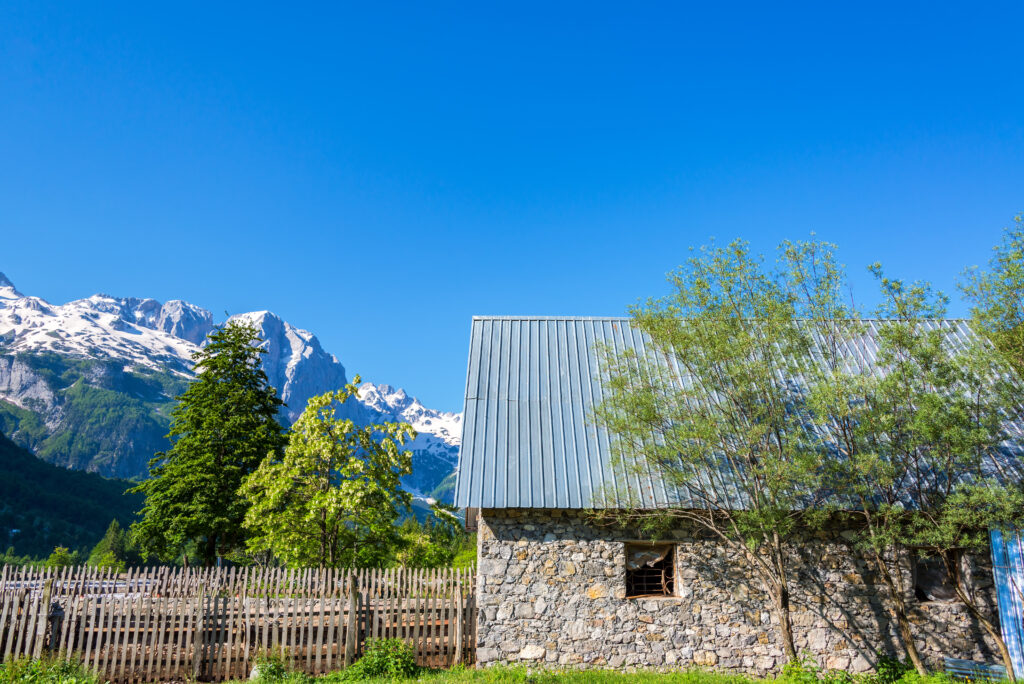
The main road to Theth is the best example. Local current guidance describes it as a paved road, reachable by normal cars, and recent travel sources describe the summer drive as manageable in a standard vehicle. The same is true for SH20 toward Vermosh, which is now fully paved, and for the main approach into Valbona, where the tarmac reaches the valley road and the car park used by hikers. So if your Albania plan is Shkodër, Theth, Vermosh, Valbona, Berat, Gjirokastër and the Riviera on the main roads, a standard car is usually sufficient in the warmer months.
That matters because many travelers overpay for a 4×4 they do not need. A higher vehicle is useful for comfort and for rough guesthouse approaches, but it is not automatically necessary for the main tourist circuit. The places where off road is truly required are more specific.
1. Lurë National Park is still real 4×4 territory
If there is one place that still belongs in the genuinely off road category, it is Lurë. Wikivoyage’s access notes say the road is paved only until Perlat and that a difficult path follows, while its transport section states plainly that a 4×4 is a must on this terrain. Local rental guidance is even more direct, describing a broken dirt road to the lakes and warning that it is dangerous without a specially equipped four wheel drive vehicle.
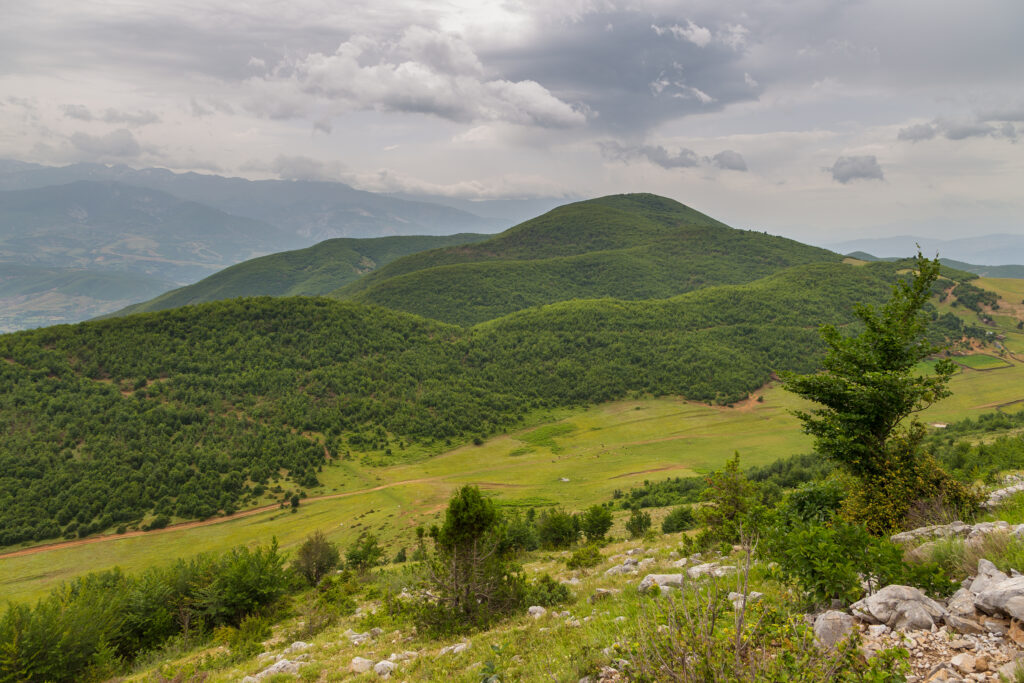
This is the kind of place where “I’ll just go slowly in a sedan” is the wrong mindset. The issue is not only traction. It is ground clearance, sharp stones, washouts, remote recovery, and the fact that if you damage the car out there, many rental contracts will treat it as outside normal permitted use. If Lurë is central to your trip, that is one of the clearest cases for booking a proper 4×4 from the start rather than improvising on the day.
2. Theth to Valbona is not a normal driving link
People often assume that because both Theth and Valbona are accessible, there must also be a practical road between them. For most travelers, that is false. The classic connection is the Valbona Pass hike, described by current travel guides as roughly 14.7 to 17 kilometres on foot, taking about 6 to 9 hours depending on direction and pace. One detailed road trip source is blunt about the logistics: there is no convenient circular driving route between Shkodër, Theth, Valbonë and Komani if you are relying on a rental car, because there is no road between them in the way many drivers expect.
Rental guidance in Albania also warns against the mountain route from Thethi to Valbona, saying it is for specially equipped off road vehicles rather than ordinary rental cars, with no paved surface and a risk of rockfall. In practice, if you are traveling by normal car, you should treat Theth and Valbona as separate access points and connect them by hiking plus transport logistics, or by backtracking on the public road network, not by trying to “drive through the mountains.”
3. Qafë Shtamë is two different roads, and only one of them is normal-car friendly
Qafë Shtamë fools people because one side is fine and the other is not. Current guidance says the western side from Krujë to the pass is paved. But the eastern side from the pass toward Burrel is described as extremely challenging and open to 4×4 vehicles only. A separate Albania travel source says the same thing in simpler terms: the asphalt ends at the pass, and continuing toward Burrel is for off road vehicles.
This makes Qafë Shtamë one of Albania’s classic navigation traps. If you are doing a scenic day trip from Krujë and returning the same way, that is one thing. If your app quietly suggests you continue over the pass and descend the eastern side in a normal hatchback, that is something else entirely. The road category changes even though the place name stays the same.
4. The Bovilla shortcut from Tirana is rougher than many people expect
The Tirana to Bovilla route is another case where a road looks close on the map and easy in photos, but the surface tells a different story. A current local guide says the paved section ends and becomes a rough dirt road for about 5 to 6 kilometres, with potholes, rocks and tight curves, best done in a 4×4 or SUV. It also notes that the final uphill section above the dam is steeper and more off road again, with loose rock and sharper bends. Another Albania guide describes the wider Tirana to Qafë Shtamë route via Bovilla as one of the scenic off road options near the capital, better with higher ground clearance.
That does not mean you need a 4×4 to enjoy Bovilla. It means you should separate the destination from the full driving ambition. Many travelers reach the lower area, park, and continue on foot or with organized transport. What you should not do is assume that “near Tirana” means “fine for any rental car.” The roughest roads in Albania are not always the remotest ones.
5. Gjipe is not a place to force a normal car all the way to the water
Gjipe Beach is often mentioned in a way that makes it sound like a beach drive. It is better understood as a drive plus walk. Official Albanian coastal trail material says the paved road goes to a parking lot and then the route continues along an old rocky military road toward Gjipe. A current Himarë guide is even clearer: the standard approach is to drive to the signed parking area and then walk about 2.5 kilometres to the beach.
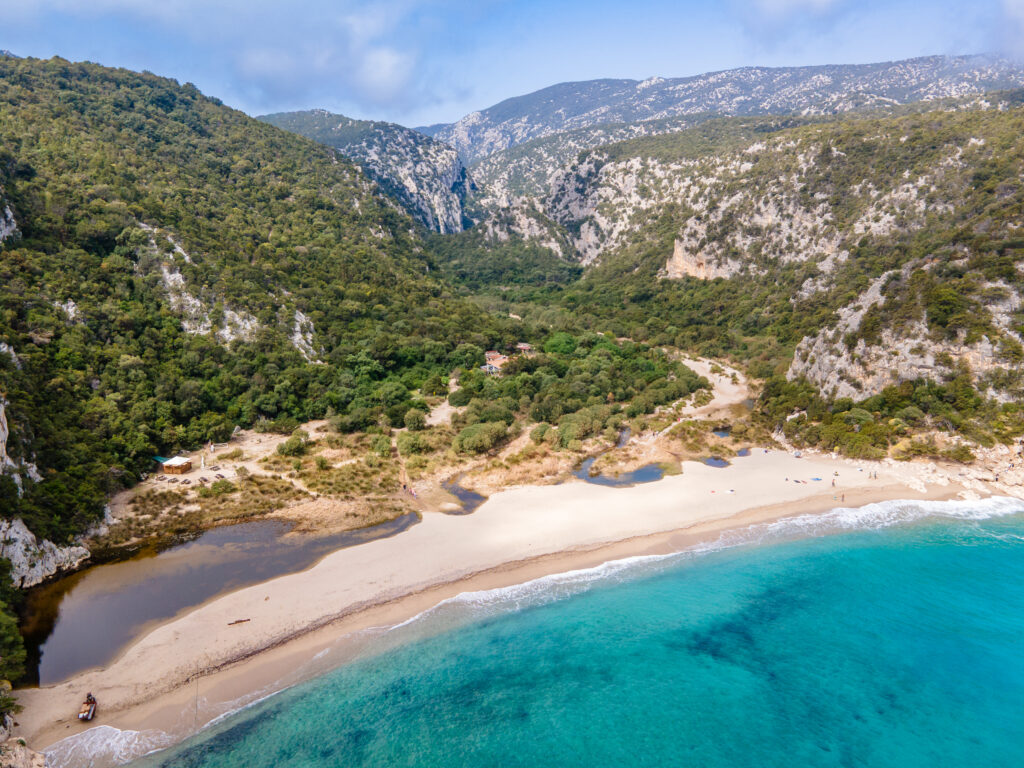
So Gjipe is not really a “you need a 4×4 to visit” destination. It is a “do not try to turn a normal beach visit into an off road experiment” destination. If you stop at the parking area, a normal car is fine. If you insist on pushing further down a rough coastal access track because you think it will save you a walk, that is when you start making the wrong decision.
6. Mount Tomorr is a proper 4WD case if you want to drive high
Tomorr is one of the clearest examples of the difference between visiting an area and driving to its upper reaches. Tourism and mountain sources note that there is road access high on the mountain, but a dedicated road guide states that the upper drive requires a 4WD vehicle, with a narrow, overgrown track that becomes much more difficult after rain. In other words, the national park is not the issue. The issue is how high and how far you intend to drive once you are in it.
That distinction matters across Albania. Many national parks are accessible in principle. What is not accessible by normal car is often the final climb to the ridge, shrine, lake, beach or upper village. Tomorr is simply one of the most obvious cases.
Winter changes the answer completely
Even roads that are perfectly manageable in summer can stop being normal-car roads in winter. In February 2026, Albanian reporting said snow affected routes including Bajram Curri to Valbona, Hani i Hotit to Vermosh and Boga to Theth, while the Qafë Thore area remained blocked because of avalanches. Drivers were explicitly advised to use winter tires and carry chains in mountain areas. The Albanian road authority has issued similar winter updates for Tamarë to Vermosh, Valbonë and Qafë Thore to Theth in previous cold weather periods as well.
This is why there is no single permanent answer to the question “Do I need a 4×4 in Albania?” In July, often no. In February, for some northern and high altitude routes, absolutely yes, or the smarter answer is not to drive them at all. A paved mountain road is still a mountain road once ice, slush, avalanche risk or snow banks enter the picture.
How to decide correctly before you rent
If your itinerary sticks to the main paved circuits and you are traveling in late spring, summer or early autumn, a normal car is usually enough. That includes the major towns, the Riviera on the main coast road, Theth in summer, Vermosh in summer, and Valbona’s main approach roads.
You should step up to a real 4×4 if Lurë is a priority, if you plan to drive the eastern descent of Qafë Shtamë, if you want to tackle the rougher Bovilla approach yourself rather than park and walk, if you intend to go high on Mount Tomorr, or if your trip includes mountain travel in winter conditions. And if your navigation app proposes a “shortcut” through the mountains between famous places, assume nothing until you have checked the exact road, because in Albania the dangerous part is often not the destination but the tempting line between two destinations.